
Introduction: Why Mobility Matters in WoW Raiding
In modern World of Warcraft raids, positioning and movement are just as important as damage and healing output. Many boss fights include constant area-of-effect attacks, spread mechanics, and movement-based dodging phases that require players to react quickly and efficiently.
Having high mobility doesn’t just mean moving fast—it means repositioning effectively while maintaining uptime on DPS or healing. Classes with strong movement tools can:
- Dodge lethal mechanics more easily.
- Stay in range of their targets without breaking rotations.
- React to raid-wide movement phases with minimal downtime.
The difference between a great raider and an average one often comes down to how well they manage their movement cooldowns and positioning. This guide explores:
- How movement mechanics have evolved in WoW raids.
- Which classes have the best mobility tools and how to use them effectively.
- How players can optimize their positioning to maximize performance.
- Advanced movement strategies for Mythic raiding.
By understanding how class mobility interacts with raid encounters, players can improve their survivability, increase damage uptime, and contribute more effectively to their raid team’s success.
1. The Evolution of Movement Mechanics in WoW Raids
1.1 Classic WoW: Static Positioning with Minimal Mobility
In early WoW raids, mobility was not a major focus. Encounters were designed around:
- Fixed positioning with very little movement required.
- Basic tank-and-spank mechanics where players stood in place.
- Occasional spread-out phases but no real movement complexity.
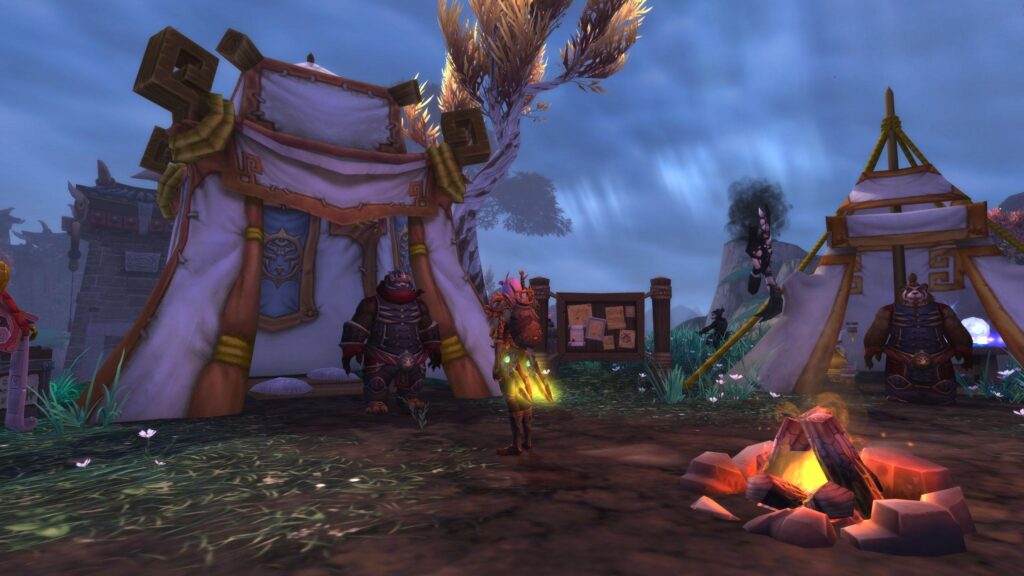
A fight like Ragnaros in Molten Core barely required movement beyond avoiding his knockback. Players rarely had to move more than a few yards, meaning mobility abilities were almost non-existent.
1.2 The Burning Crusade & Wrath of the Lich King: The Rise of Movement-Based Mechanics
With the introduction of more complex boss fights, raids began incorporating mechanics that forced players to reposition constantly. Encounters started to include:
- Spreading out for debuffs.
- Dodging ground effects and environmental hazards.
- Tanks having to kite or reposition bosses frequently.
Kael’thas Sunstrider in The Eye was one of the first major fights where movement played a huge role, requiring players to adjust positioning dynamically during multiple phases.
1.3 Modern WoW Raiding: Constant Movement and Dynamic Positioning
By Dragonflight and The War Within, mobility has become a core part of every raid encounter. Boss fights now include:
- Frequent movement-heavy phases requiring precise repositioning.
- High-mobility challenges like knockbacks, chase mechanics, and timed jumps.
- Fights that punish slow-moving classes with unavoidable mechanics.
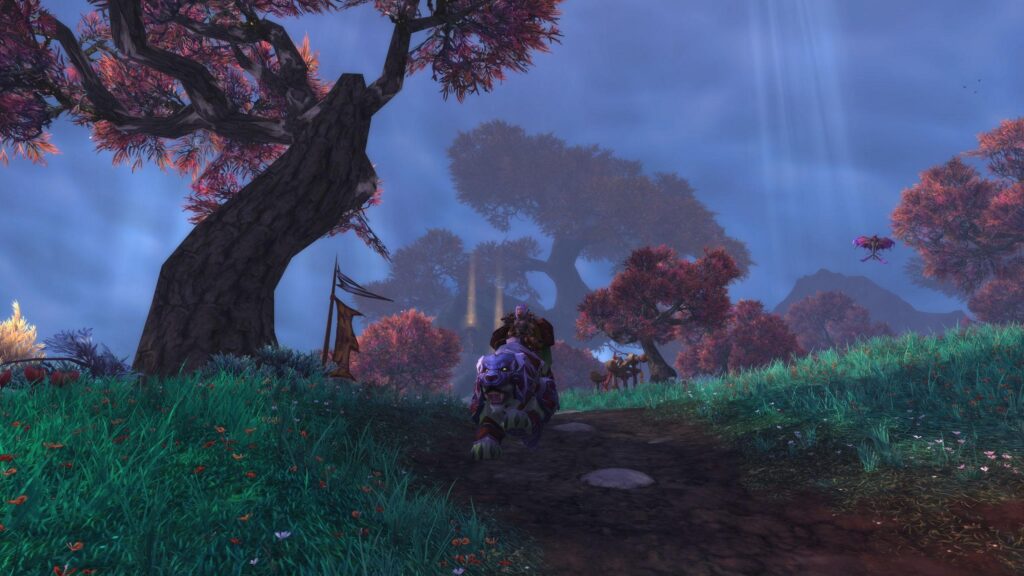
For example, Raszageth in Vault of the Incarnates introduced extreme knockbacks and movement-based mechanics, forcing players to strategically use their mobility abilities to stay on the platform.
2. Best Class Mobility Strategies for Raiding
2.1 High-Mobility Classes and Their Strengths
Some classes naturally excel at movement-heavy encounters due to their instant-cast abilities, dashes, and teleportation skills. The most mobile classes include:
- Demon Hunters: Have Fel Rush, Vengeful Retreat, and Glide, making them the most mobile melee class.
- Rogues: Use Shadowstep and Sprint to reposition instantly without losing DPS uptime.
- Hunters: Have Disengage and Aspect of the Cheetah, allowing them to move efficiently without sacrificing ranged attacks.
- Warriors: Can Charge, Heroic Leap, and Intervene, allowing for fast movement across large distances.
2.2 How to Use Mobility Abilities Efficiently
Having high mobility doesn’t automatically make a player better—how and when these abilities are used determines their effectiveness.
Many players make the mistake of wasting movement abilities too early, leaving them without a way to reposition during critical phases.
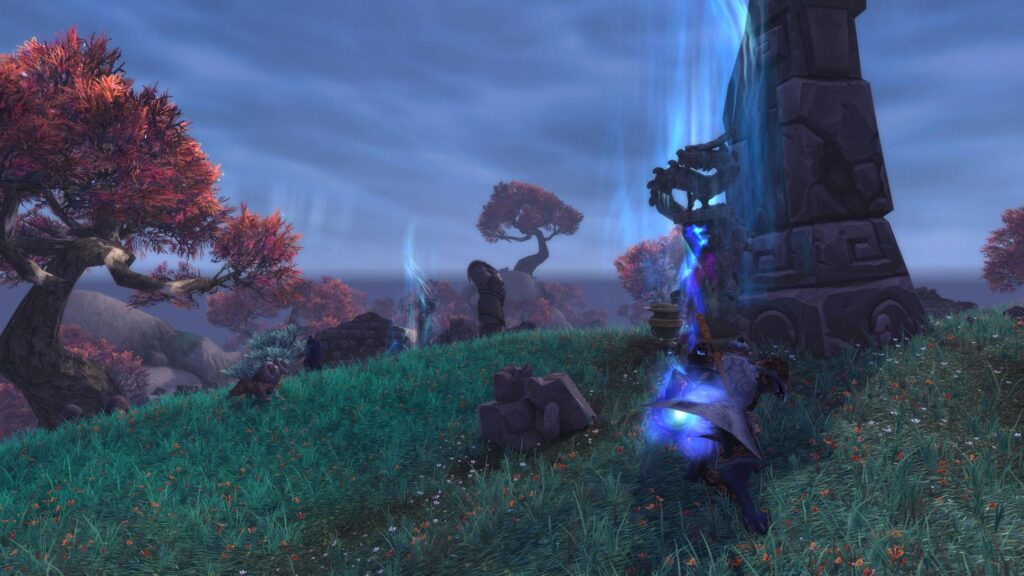
For example:
- Demon Hunters who use Fel Rush for extra DPS might find themselves unable to escape a knockback mechanic.
- Rogues who burn Sprint too soon may struggle to reposition during an intermission phase.
- Hunters who use Disengage incorrectly can accidentally move out of healer range or fall off a platform.
A better approach is to use movement abilities reactively when needed, rather than just using them on cooldown.
3. Positioning Strategies for Maximum DPS Uptime
While mobility helps players move safely, positioning determines how much uptime they maintain on the boss. Even a highly mobile player can lose DPS if they constantly move inefficiently.
3.1 The Art of Pre-Positioning
One of the best movement techniques is pre-positioning—moving ahead of time instead of waiting for a mechanic to force movement.
For example:
- A Mage casting Fireball can move between spells instead of waiting until the last second.
- A Melee DPS can step slightly out of an upcoming AoE before it actually hits.
- A Healer can move between global cooldowns to maintain positioning without losing healing output.
This technique is critical in high-mobility fights like Mythic Sire Denathrius, where players need to be constantly aware of their positioning several seconds ahead of time.
3.2 Strafing and Side-Stepping for Faster Reactions

Rather than using slow, backpedaling movement, advanced raiders use strafing and quick side-steps to reposition without breaking rotation.
- Casters can use instant-cast spells while moving sideways to avoid stopping DPS.
- Melee players can reposition without breaking auto-attacks by sidestepping instead of running backward.
- Tanks can kite enemies effectively by strafing rather than running away, keeping threat control stable.
This method ensures players stay mobile while still maintaining damage output.
4. How Mythic Raiders Optimize Movement for High-End Encounters
In Mythic raiding, every second of movement matters. Mythic raiders optimize their mobility by:
- Using movement abilities only when necessary, ensuring they have cooldowns for critical phases.
- Memorizing boss timers to move preemptively before mechanics force repositioning.
- Coordinating movement with healers to avoid running out of range.
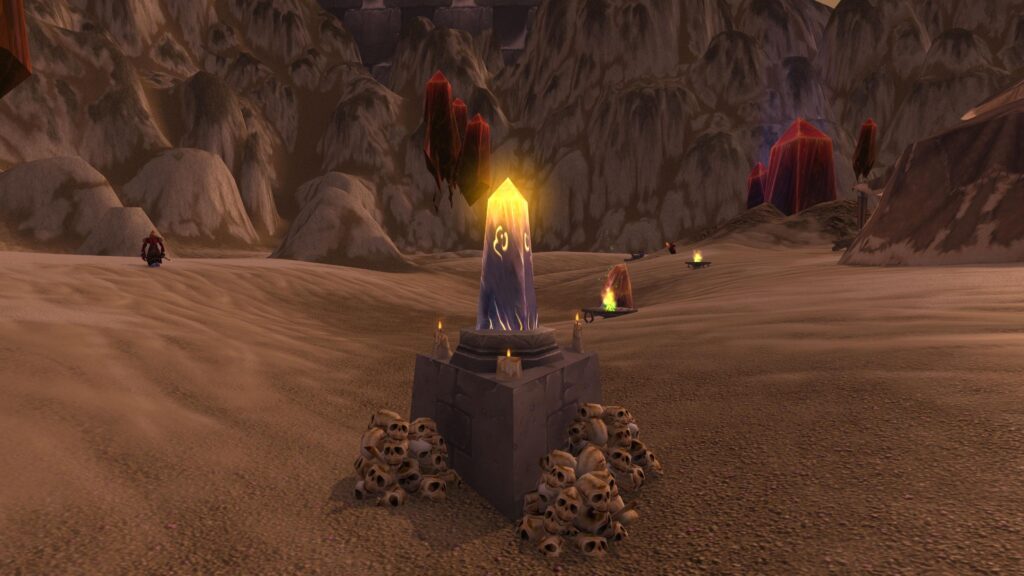
For example, in fights like Mythic Jailer in Sepulcher of the First Ones, Mythic raiders had to time their movement perfectly to avoid death zones while still attacking the boss, making movement efficiency just as important as mechanical execution.
5. Advanced Movement Techniques for High-End Raiding
While movement in raids may seem straightforward, high-end players understand that movement is a skill that can be refined, optimized, and mastered. The difference between an average raider and an elite one often comes down to how efficiently they move during fights.
5.1 Movement Without Downtime: The Art of Stutter-Stepping
For DPS players, the biggest concern when moving is minimizing lost damage output. Every moment spent running instead of attacking reduces overall DPS, which can be the difference between a boss kill and a wipe.
One technique that skilled players use is stutter-stepping—a method of weaving movement between casts or global cooldowns to maintain consistent uptime.
For example:
- A Hunter can fire auto-attacks while briefly moving between each shot, rather than stopping entirely.
- A Mage casting Fireball can move in short bursts between spell casts rather than relocating all at once.
- A Melee DPS can use instant abilities while sidestepping out of AoE rather than waiting until the last moment.
By learning to stutter-step, players can dodge mechanics while still dealing damage, which is crucial in tight DPS-check fights where every second matters.
5.2 The Best Use of Instant-Cast Abilities for Movement
Casters struggle the most with movement since casting spells requires standing still. However, nearly every caster has access to instant-cast abilities that can be used while repositioning.
Smart players will plan their movement during windows where they can still be productive, such as:
- Using instant-cast procs (like Pyroblast! for Fire Mages) while moving between safe zones.
- Utilizing movement-based talents (like Spiritwalker’s Grace for Shamans) to reposition without losing casts.
- Timing mobility cooldowns (like Blink for Mages) to get back into casting position as quickly as possible.
By thinking ahead and weaving in movement during instant-cast windows, casters can reduce their downtime while repositioning.
5.3 Kiting Techniques for Tanks and Ranged Players
Tanks and ranged DPS both rely on kiting mechanics, though for different reasons.
Tanks need to kite enemies in fights where standing still leads to heavy stacking debuffs or excessive incoming damage. Vengeance Demon Hunters and Brewmaster Monks are excellent at kiting because they have abilities like Infernal Strike and Roll that let them reposition quickly.
Ranged DPS, especially those with damage-over-time effects, can kite enemies without losing damage output. Shadow Priests, Warlocks, and Balance Druids can maintain DoT uptime while moving, making them more effective at kiting adds in fights where enemies need to be dragged across the battlefield.
Kiting isn’t just about running—it’s about maintaining control while staying mobile, ensuring that damage is still being dealt while keeping the encounter manageable.
5.4 Predicting Boss Movement to Minimize Overcorrection
One of the biggest movement mistakes raiders make is overcorrecting their positioning, causing unnecessary downtime or even pulling extra enemies.
For example, when a boss charges to a location or targets a player with a mechanic, inexperienced raiders often run too far away, causing:
- Other players to chase them and lose DPS uptime.
- The boss to reposition awkwardly, messing up tank positioning.
- Ranged players to fall out of healing range.
A skilled raider moves just enough to avoid the danger but no further than necessary. They also position themselves in a way that predicts future movement, reducing the need to relocate multiple times.
6. How to Train Your Movement Skills and Improve Positioning
Mastering movement in raids isn’t just about knowing your class abilities—it requires conscious practice and refinement. There are several ways to train movement efficiency outside of high-stakes raid encounters.
6.1 Using Raid Logs to Analyze Movement Efficiency
Many top raiders review their movement patterns using combat logs from Warcraft Logs. By checking movement-heavy phases in a fight, players can see:
- How much time they spent moving instead of dealing damage.
- Whether they used mobility abilities optimally.
- How their positioning affected their overall performance.
If a player sees they are moving more than others of the same class, it can indicate inefficient positioning or excessive overcorrection.
6.2 Practicing in Dungeons and Open-World Content
Another great way to improve movement is to practice in dungeons or world quests. Mythic+ dungeons, in particular, require fast movement and quick reactions, making them a perfect training ground for raid mobility.
For example:
- A Mage can practice Blink positioning by dodging enemy frontal attacks.
- A Melee DPS can practice stutter-stepping while fighting multiple enemies in open-world farming.
- A Healer can practice repositioning while maintaining healing output during heavy movement dungeons.
By actively incorporating movement techniques into smaller encounters, players can refine their reaction time for larger-scale raid fights.
6.3 Custom WeakAuras for Movement Timing
Many raiders create custom WeakAuras to alert them to movement mechanics, helping with:
- Notifying when a movement cooldown is available.
- Highlighting boss timers that indicate upcoming repositioning phases.
- Providing on-screen warnings when standing in dangerous zones.
By customizing the UI to assist with mobility-based decision-making, players can increase their movement efficiency without relying purely on reaction time.
7. The Future of Mobility in WoW Raiding
Blizzard’s raid encounters have become increasingly movement-heavy, and this trend is likely to continue in The War Within and beyond. Future encounters may introduce:
- More vertical movement mechanics, requiring jumps, grapples, or platform-based fights.
- Fights with progressive movement phases, where each section of the battlefield becomes hazardous over time.
- Increased reliance on personal mobility rather than raid-wide positioning strategies.
As boss fights become more dynamic, mastering mobility will become even more important, making movement efficiency a defining skill for top raiders.
Final Thoughts: Movement is Key to Becoming a Better Raider
Mastering WoW class mobility in raids is about more than just knowing when to dodge a mechanic—it’s about optimizing every movement to minimize downtime, maintain DPS/healing, and stay alive.
✔ The best raiders use movement abilities wisely, not just on cooldown.
✔ Pre-positioning is more effective than reactive movement.
✔ Stutter-stepping and instant-cast weaving reduce lost damage while dodging mechanics.
✔ Training movement outside of raids improves reaction time and positioning instincts.
By actively working on movement awareness, mobility efficiency, and positioning strategy, players can transform from average raiders into elite performers—ensuring they are always one step ahead of the fight.
So ask yourself: Are you moving with purpose, or are you just reacting?
Leave a Reply