
Modern encounters apply pressure through overlapping damage patterns rather than single lethal hits.
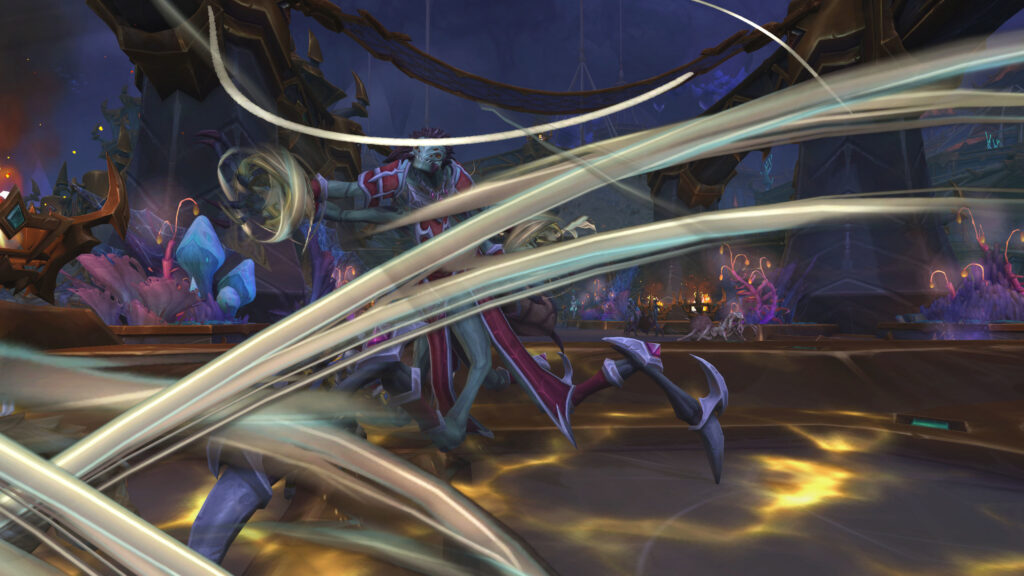
Group stability now depends on how quickly healers recognize stacking threats and respond without hesitation.
Overlapping Damage Compresses Reaction Time
Damage events increasingly overlap instead of resolving cleanly. Area effects, debuffs, and ambient damage combine.
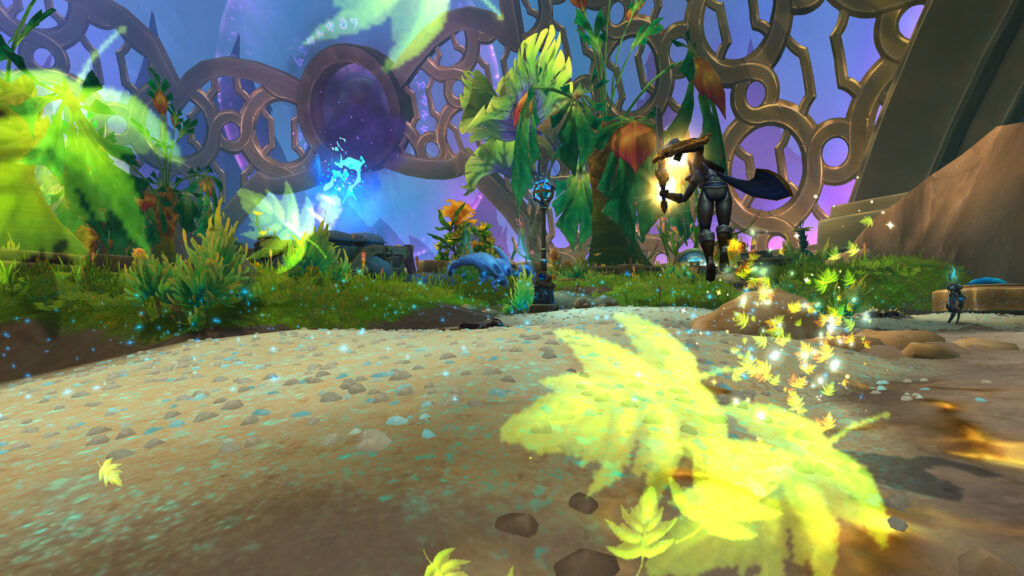
This leaves little time for assessment, forcing healers to act on recognition rather than confirmation.
Responsiveness Prevents Cascade Failures
Delayed healing does not fail encounters instantly. It creates instability that spreads across the group.
Once health bars fall unevenly, recovery becomes harder with every second that passes.
Fast Decisions Preserve Control
Early responses smooth damage intake and keep positioning intact.
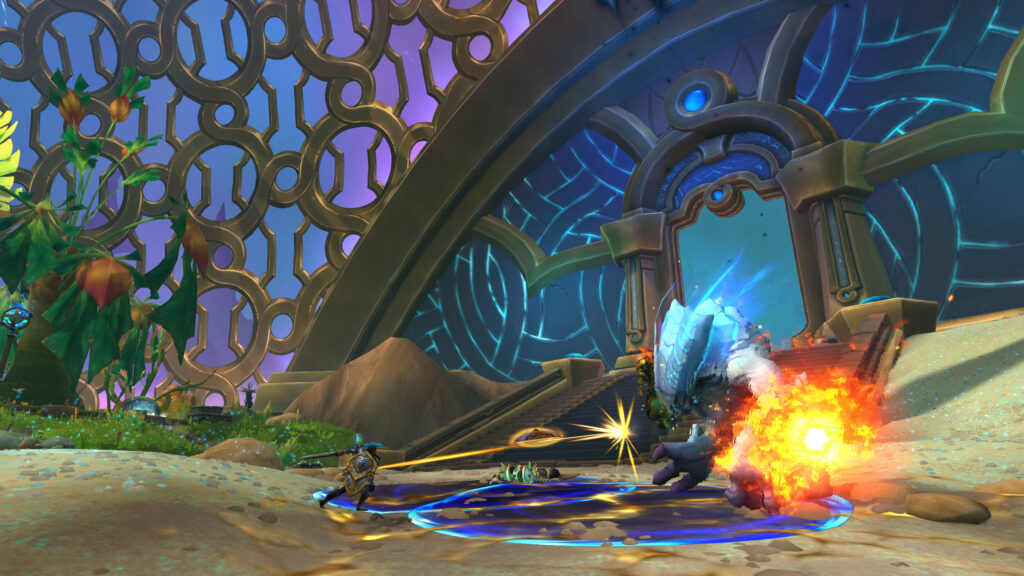
Late responses force movement, cooldown overlap, and emergency decisions.
| Healer Response | Group State | Phase Outcome |
|---|---|---|
| Immediate action | Even health levels | Stable execution |
| Slight delay | Uneven pressure | Recoverable strain |
| Late reaction | Panic movement | Cooldown loss |
| No response | Health collapse | Wipe risk |
Responsiveness Raises Healing Skill Ceilings
Healing success now relies on anticipation and speed rather than raw output.
Players who read damage flow early maintain control even in chaotic phases.
Conclusion
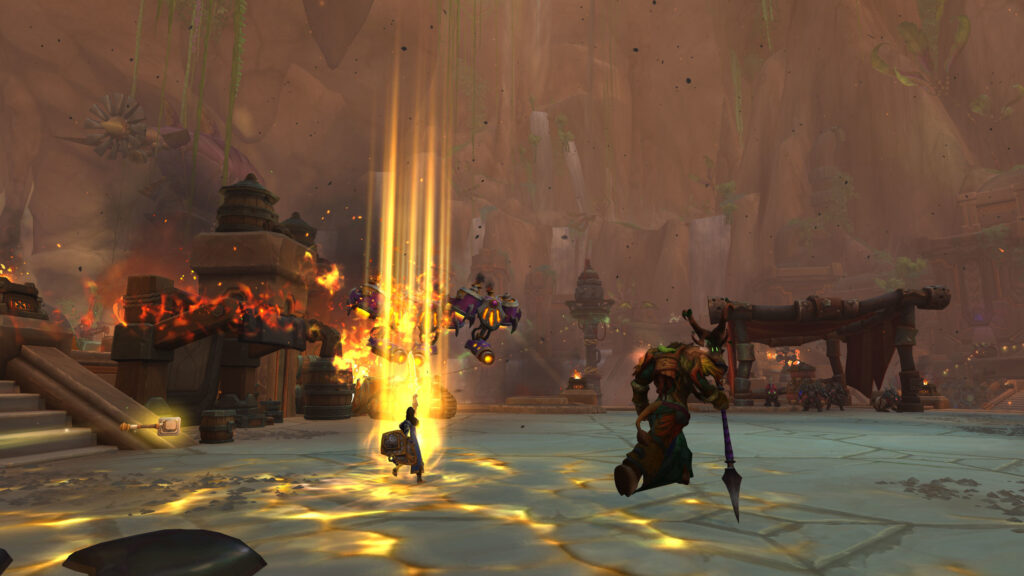
Healer responsiveness defines group stability during overlapping damage phases.
Fast recognition and early action prevent small threats from becoming encounter-ending failures.

Leave a Reply