
World of Warcraft has evolved beyond a simple gaming hobby to become a fundamental part of the daily routine for millions. This phenomenon, often called the “comfort game effect,” occurs when a digital world offers a level of stability and familiarity that the real world occasionally lacks. This guide explores the psychological reasons behind this deep integration, examining how predictable systems, a persistent social environment, and the slow, steady progression of an avatar turn the game into a reliable anchor for the player’s life.

The Consistency of the Digital Routine
A comfort game succeeds by being reliably present. When a player logs in, the world is exactly where they left it, the cities function the same way, and the social guilds remain active. This continuity provides a mental “reset” button. After a long, unpredictable day in the physical world, the ability to step into an environment where the player has agency, mastery, and clear goals is immensely restorative. The game provides a low-stakes environment where progress is measured in consistent, small steps, offering a sense of control that is deeply comforting.
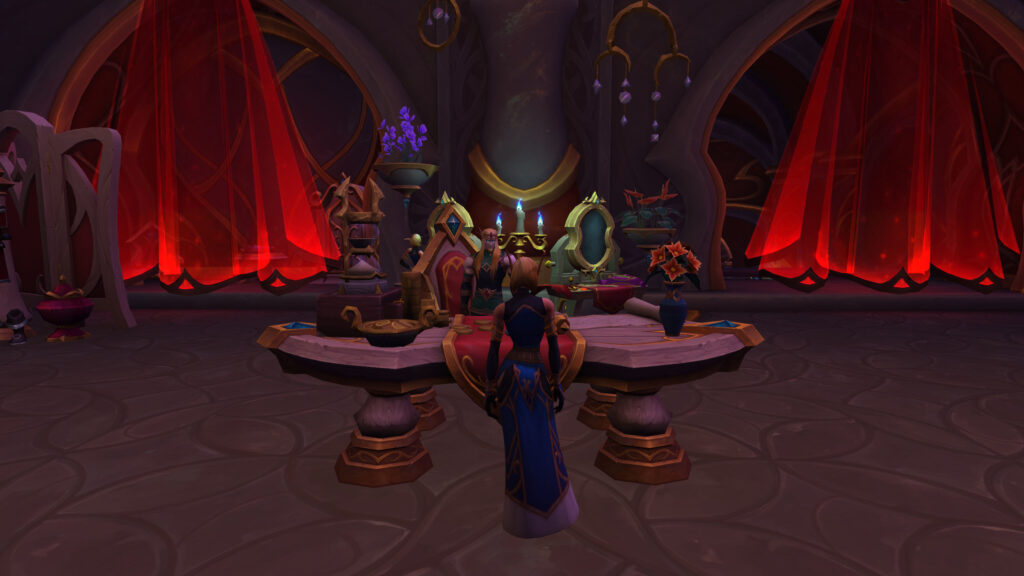
Social continuity is just as important. For many, the guild chat or the voice channel is the primary place where they connect with friends. This social “home” persists regardless of life’s external challenges. Being able to check in with people you have known for years—even if you are just hanging out in a capital city—creates a sense of belonging. The game becomes a third place, sitting comfortably between the stressors of work and the isolation of home, providing a community that is always available at the push of a button.
The Architecture of Comfort
| Factor | Player Benefit |
|---|---|
| Persistent World | Reliable environment that doesn’t change unexpectedly. |
| Social Networks | Consistent friendship groups over many years. |
| Low-Barrier Tasks | Easy, satisfying loops that don’t cause stress. |
| Legacy Pride | A long-term project that validates time spent. |
The Value of a Safe Haven
The comfort game effect is not about avoiding challenge; it is about choosing when to face it. Players can spend their daily session chasing high-end raid gear if they want, but the game is equally accommodating to those who just want to trade, explore, or socialize. This flexibility is what allows the game to occupy a space in the daily schedule. It adapts to the player’s energy level, acting as a high-octane thrill ride when needed, or a quiet, peaceful sanctuary when that is what the player requires to recharge.
Integration into Life

Ultimately, WoW becomes part of daily life because it successfully bridges the gap between digital entertainment and meaningful human connection. By fostering communities that span generations and providing a world that welcomes the player back with the same familiar sights every time, the game earns its place in the player’s schedule. It is more than just software; it is a reliable, familiar space that rewards consistency, making it a natural fit for anyone looking to make a digital world part of their own reality.



Leave a Reply