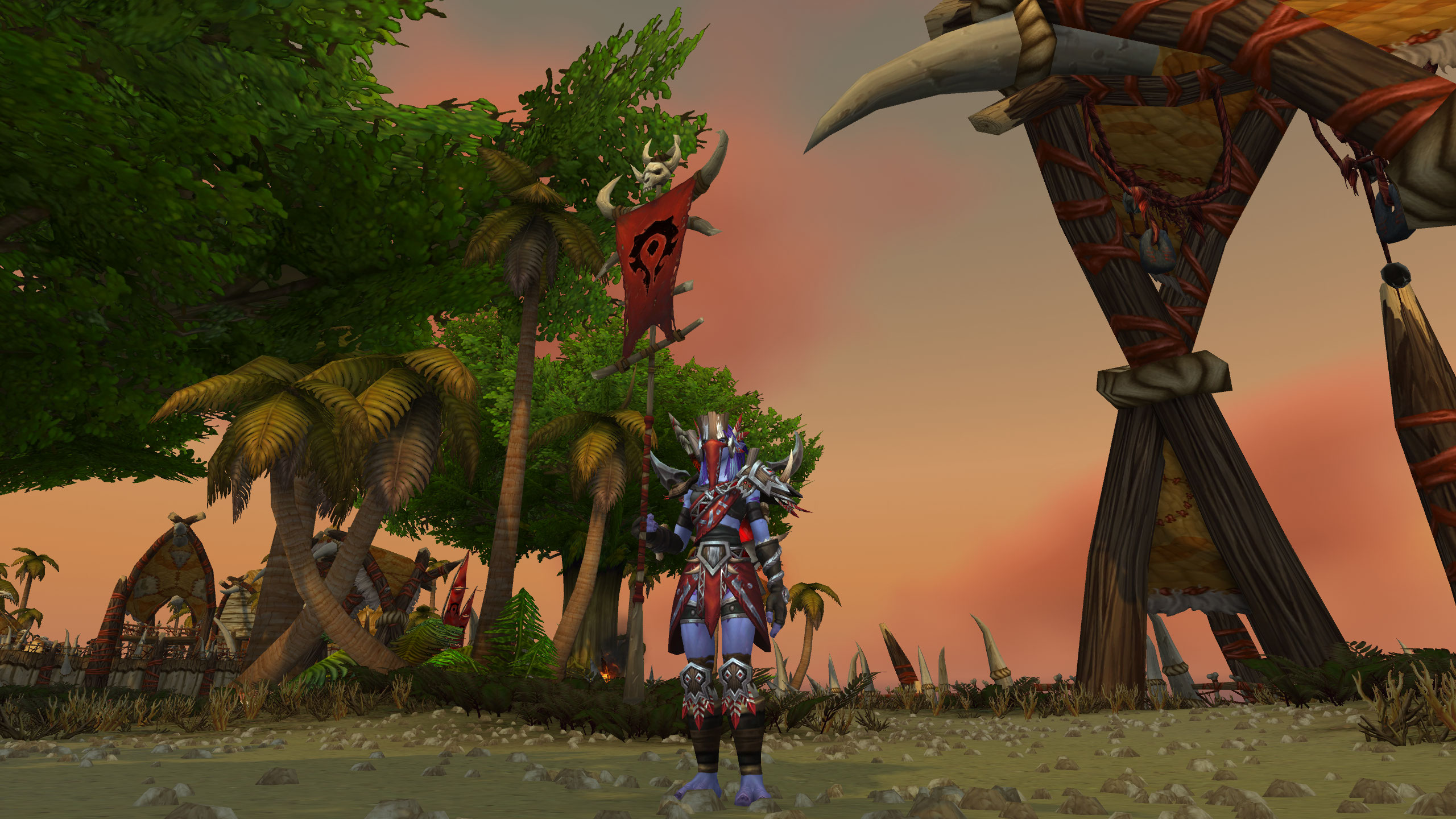
Introduction: Not Just a War, a Message
The conflict between the Alliance and Horde has defined much of Warcraft’s narrative. But beneath the battles and skirmishes lies a complex web of politics, propaganda, and internal struggle. From Battle for Azeroth to Shadowlands, faction war campaigns reveal more than conflict—they expose the motives of leaders, the manipulation of soldiers, and the delicate balance of diplomacy in a world perpetually at war.

Propaganda, Perception, and Power
War campaigns don’t begin with a sword—they start with ideology. The Horde justifies preemptive strikes as survival, while the Alliance paints retaliation as justice. NPC conversations, cinematic intros, and even loading screens are curated to feed each side’s narrative. These internal campaigns mirror real-world wartime spin, fueling emotion-based faction loyalty.
Key Faction Campaign Decisions by Leader
| Leader | Decision | Faction Impact |
|---|---|---|
| Sylvanas Windrunner | Burning of Teldrassil | Split the Horde, radicalized the Alliance |
| Anduin Wrynn | Rescue of Saurfang | Created secret rebel alliance |
| Jaina Proudmoore | Assault on Dazar’alor | Forced the Zandalari into the war |
| Thrall | Return during Saurfang’s uprising | Restored balance post-coup |
Internal Division and Civil Conflict

Both factions have faced civil unrest. Sylvanas’ leadership fractured the Horde, leading to dissent from Baine, Lor’themar, and others. The Alliance, while more unified publicly, also struggled with dissent—especially in Kul Tiran isolationist policies and Genn Greymane’s hawkish behavior. These inner rifts shaped campaign narratives as much as external battles.
Strategic Zones and Proxy Warfare

Campaigns rarely escalate into direct city sieges. Instead, players often fight over proxy territories like Nazjatar, Arathi, and Darkshore. These battles serve both narrative pacing and player engagement, allowing each side to claim symbolic victories without collapsing the game world. Each zone reflects shifting balance, introducing dynamic warfronts or resource skirmishes.
Peace Talks, Betrayals, and Moral Gray

The war campaigns increasingly reflect moral ambiguity. Saurfang’s rebellion, Anduin’s reluctant peace overtures, and Tyrande’s refusal to forgive show that leaders on both sides act from personal conviction more than pure allegiance. These blurred lines keep faction war narratives alive long after the weapons a



Leave a Reply