In the heart of ‘Battle for Azeroth,’ you find yourself thrust into the rekindled conflict between the Horde and Alliance, where territorial disputes and old grudges spark fresh battles. As you navigate this war-torn landscape, you’ll encounter influential figures like Tyrande Whisperwind and Genn Greymane, whose decisions shape the tides of war. The introduction of the Zandalari Trolls and House Proudmoore adds unexpected twists, bringing new strategies and alliances into the fray. With the political and social fabric of Azeroth hanging in the balance, you must carefully choose your allegiances and tactics. But what will be your next move?
Origins of the Conflict
The origins of the conflict between the Horde and the Alliance can be traced back to their first encounters on Azeroth, fueled by territorial disputes and deep-seated mistrust. You’ll find that Kul Tiras, an important naval power, played a significant role in these early tensions. Its leader, Derek Proudmoore, was a staunch defender of the Alliance, while his sister, Jaina Proudmoore, sought peace but faced immense challenges.
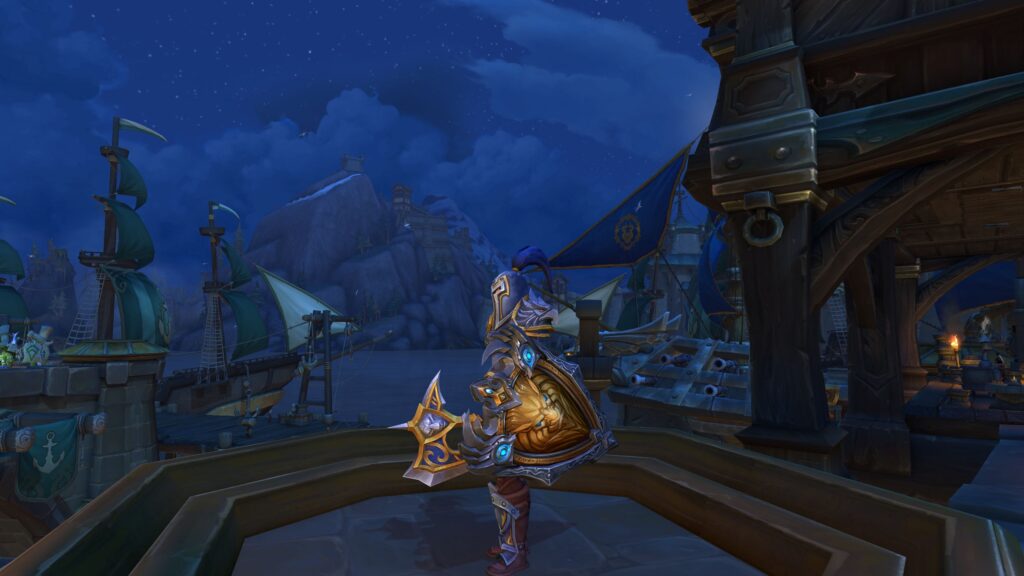
Genn Greymane, the leader of Gilneas, also contributed to the mistrust between the factions. His fierce loyalty to the Alliance and personal vendetta against the Horde complicated any attempts at diplomacy. This atmosphere of suspicion and rivalry set the stage for further conflicts.
Understanding these origins helps you grasp why the Horde and Alliance struggle to find common ground. The events surrounding Kul Tiras, the actions of Derek Proudmoore, and the strained relationship between Jaina Proudmoore and the Horde are pivotal. Genn Greymane’s unwavering stance against the Horde only deepened the divide. Recognizing these foundational elements is key to comprehending the enduring nature of the Azerothian conflict.
This background is essential for anyone diving into the intricate world of Azeroth’s political landscape.
Key Battles and Skirmishes
As the origins of the conflict set the stage, the key battles and skirmishes between the Horde and Alliance further intensified their rivalry and reshaped Azeroth’s landscape.
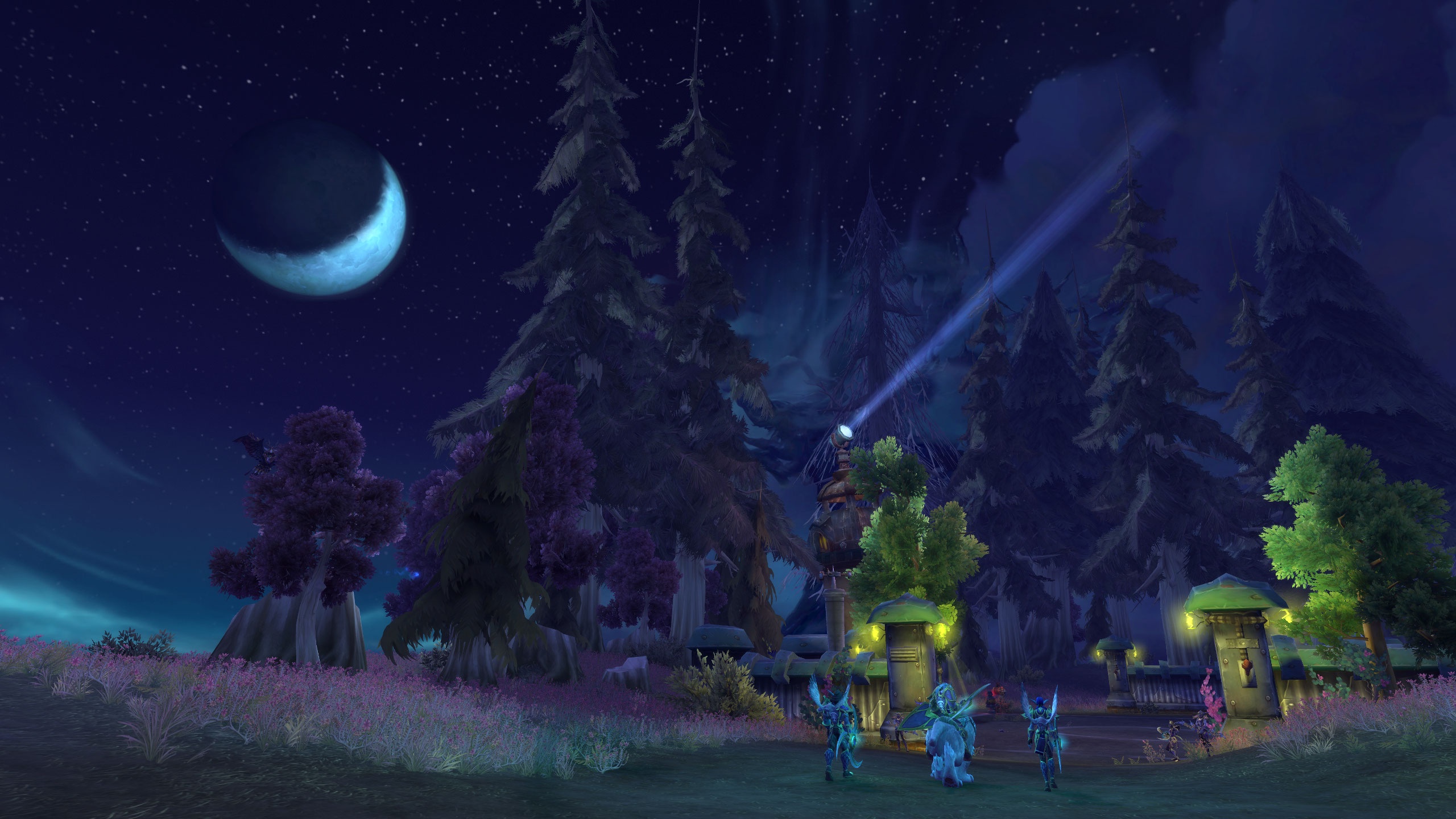
One of the most notable engagements was the Battle for Darkshore, where Tyrande Whisperwind led the Night Elves in a fierce struggle to reclaim their homeland from the Horde. Your strategy in this battle should focus on leveraging terrain advantages and coordinating with allies to outmaneuver enemy players.
In the Kul Tiras region, Katherine Proudmoore played an essential role in defending her people against Horde incursions. When participating in these skirmishes, prioritize disrupting the enemy’s supply lines and targeting key leaders to weaken their resolve.
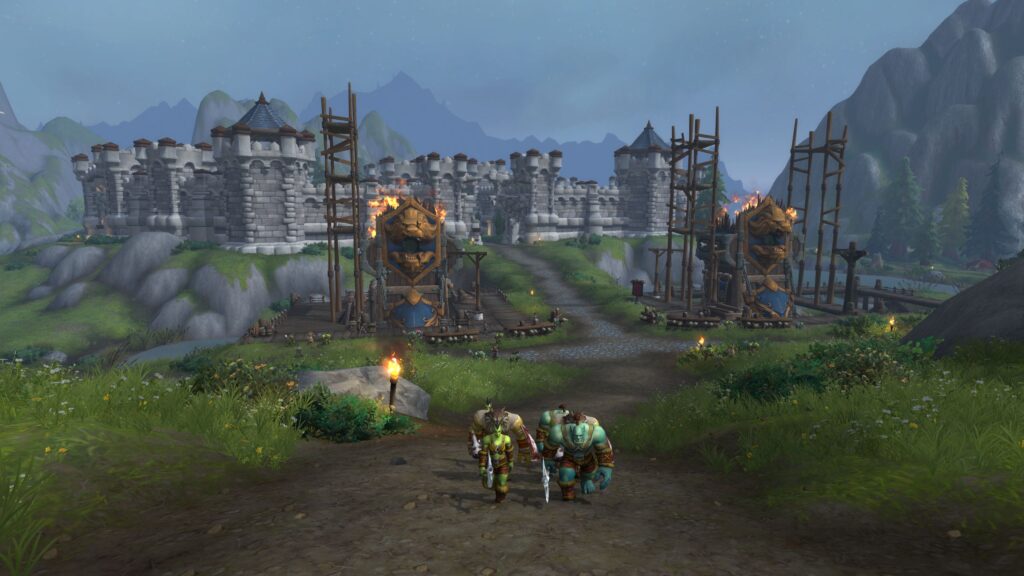
Island Expeditions introduced a new dynamic, encouraging both factions to explore and exploit uncharted territories for valuable resources. To succeed, you’ll need to work closely with your team, efficiently gather resources, and fend off enemy players who are competing for the same prizes.
These battles and skirmishes not only tested your combat skills but also required strategic thinking and cooperation. By mastering these elements, you can contribute significantly to your faction’s efforts in the ongoing conflict.
New Allies and Foes
Ever wondered how new allies and foes shape the ever-changing dynamics of the Horde and Alliance conflict? Understanding these changes can give you a strategic edge in Battle for Azeroth.
As you reach max level, you’ll encounter key figures like Mathias Shaw, a master spy for the Alliance. His intelligence-gathering plays an essential role in securing new allies and countering enemy threats.
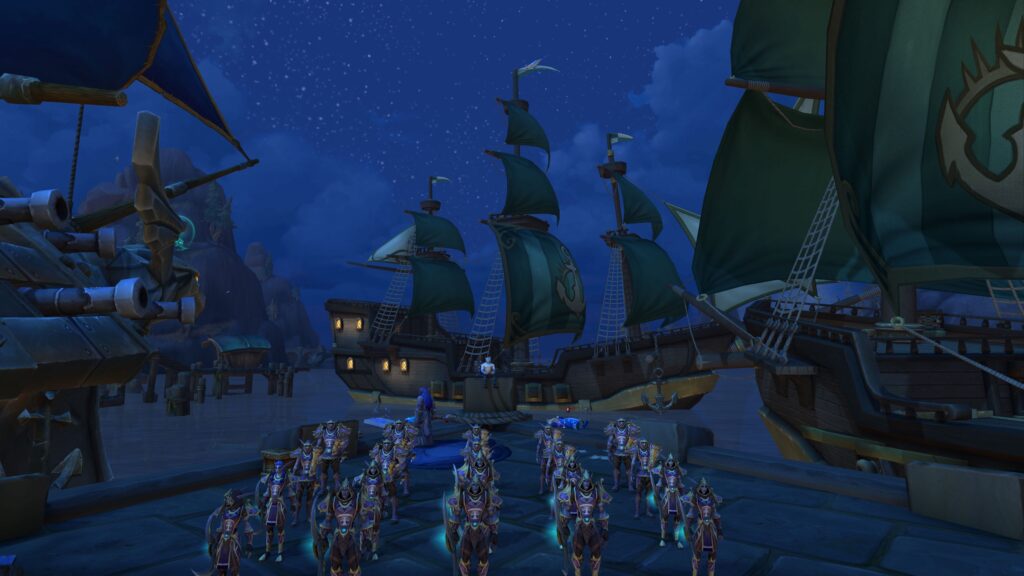
For the Horde, new allies include the Zandalari Trolls, bringing powerful abilities and unique strategies to the battlefield. Meanwhile, the Alliance has forged ties with House Proudmoore, gaining the Kul Tiran humans who excel in naval warfare, enhancing your tactical options.
To maximize your effectiveness, focus on the strengths of these new allies. Zandalari Trolls offer versatility with their racial abilities, while Kul Tirans provide robust maritime capabilities. Balancing these strengths can give your faction a significant advantage.
Impact on Azeroth
New alliances and rivalries in Battle for Azeroth directly shape the political and social landscape of Azeroth. You’ll notice how territories once considered safe become contested grounds. As factions vie for control, trade routes shift, and towns may find themselves under siege or flourishing under newfound protection.
To navigate these changes, keep an eye on the world map. It’s important to stay informed about which areas are under whose control. This not only affects your travel plans but also dictates where you can find resources or face enemy encounters. Regularly checking faction standings can save you from unexpected skirmishes.
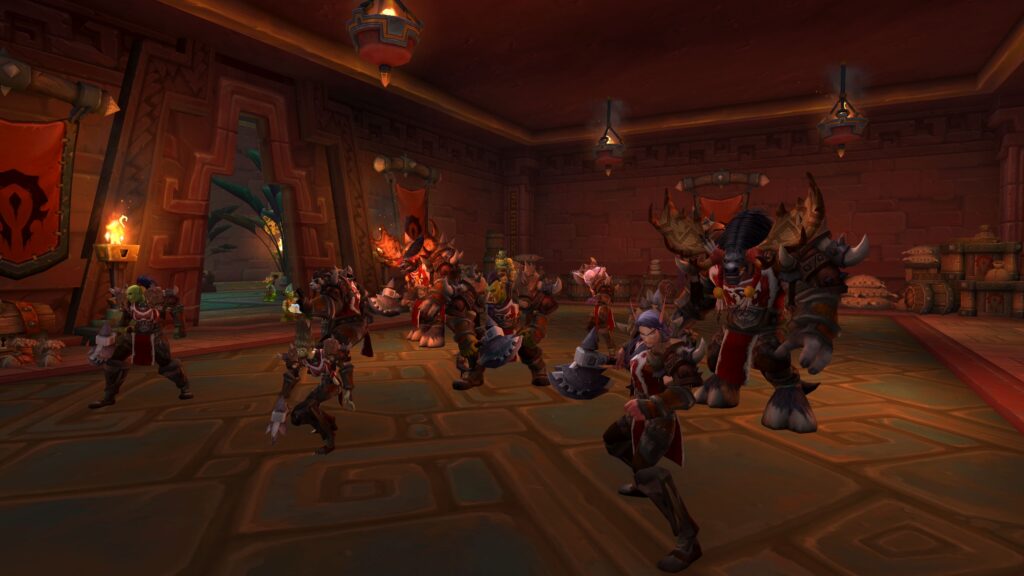
Engage with local NPCs to gather intel. They can provide updates on regional stability and offer quests that might sway local power balances in your favor. Aligning yourself with influential characters can open up new opportunities and safeguard your interests.
In this turbulent environment, maintaining alliances is essential. Whether you’re part of a guild or flying solo, cooperation can make or break your success. Share information and resources with allies to bolster your position. By staying adaptable and informed, you’ll better navigate the ever-changing landscape of Azeroth in Battle for Azeroth.
Conclusion
As you navigate the renewed Horde vs. Alliance conflict in Battle for Azeroth, focus on building strong alliances and leveraging the unique strengths of new allies like the Zandalari Trolls and House Proudmoore.
Stay strategic in your approach to battles and skirmishes, always considering the political and social dynamics at play.
Adapt your strategies to the evolving landscape, and remember that understanding your enemies’ tactics can be just as vital as perfecting your own.



Leave a Reply