
In World of Warcraft (WoW), the road to raid progression is paved with careful planning, teamwork, and, most importantly, a well-rounded raid composition. One of the most critical factors in achieving success in raids lies in the selection of classes and how these choices affect team dynamics. Every class in WoW offers unique strengths, buffs, and abilities that play a crucial role in tackling raid mechanics and pushing through difficult encounters.
This article explores how class selection influences raid progression, how to build a balanced raid team, and why making the right choices is vital for success.
The Role of Class Selection in Raiding
Class selection isn’t just about dealing the most damage or topping healing meters. A successful raid team needs a harmonious blend of damage-dealers (DPS), tanks, and healers to ensure mechanics are handled efficiently, survivability is maximized, and encounters are completed smoothly.
Why Class Diversity Matters
Raid encounters are designed with team synergy in mind. Blizzard ensures that certain classes or specializations bring unique abilities that benefit the entire raid. For example:
- Buffs: Classes like Priests (Power Word: Fortitude), Mages (Arcane Intellect), and Warriors (Battle Shout) bring essential raid-wide buffs that significantly boost performance.
- Debuffs: Classes like Monks (Mystic Touch) and Demon Hunters (Chaos Brand) apply debuffs that increase damage taken by enemies, making them highly valuable for maximizing raid DPS.
- Utility: Abilities such as a Warlock’s Healthstones or a Shaman’s Bloodlust/Heroism provide tools that can turn the tide of an encounter.
Without these critical contributions, even the most skilled players may find progression slower and more challenging.
Building a Balanced Raid Composition
A strong raid composition takes into account not just the roles of tank, healer, and DPS, but also how these roles interact with each other to create a cohesive and effective team.
1. Tanks: The Backbone of the Raid
Tanks absorb the brunt of boss attacks, manage positioning, and control adds.
A good tank pairing often includes:
- Active Mitigation: Tanks like Protection Paladins and Brewmaster Monks excel at reducing incoming damage through active abilities.
- Mobility: Classes such as Vengeance Demon Hunters offer unparalleled mobility, which is crucial for fights requiring frequent repositioning.
Tanks must work in tandem, alternating cooldowns and managing threat effectively to ensure survivability during high-damage phases.
2. Healers: The Lifeline of the Team
Healers are responsible for keeping the raid alive, managing mana efficiently, and responding to unexpected damage spikes. A well-rounded healer composition might include:
- Sustained Healing: Restoration Druids and Holy Priests excel at keeping consistent healing over time (HoTs).
- Burst Healing: Holy Paladins and Discipline Priests can provide quick, high-output healing during intense damage phases.
- Cooldown Utility: Abilities like Spirit Link Totem (Shaman) or Tranquility (Druid) are invaluable for managing raid-wide damage.
Balancing healing throughput with utility ensures that the team remains stable even during mechanics-heavy encounters.
3. DPS: The Engine of Progression
DPS players are responsible for dealing damage to bosses and adds, as well as handling mechanics like interrupts, stuns, and crowd control. A balanced DPS roster should include:
- Melee DPS: Classes like Rogues or Warriors often bring high burst damage and critical interrupts.
- Ranged DPS: Casters like Mages and Hunters provide consistent damage and can handle mechanics from a distance.
- Hybrid DPS: Shaman or Druids offer flexibility, swapping roles if needed while still contributing valuable utility.
DPS players are also responsible for meeting tight enrage timers, so balancing burst damage for specific phases and sustained DPS is key.
How Class Strengths Shape Raid Strategies
1. Handling Raid Mechanics
Each encounter introduces unique mechanics that require careful planning. For example:
- Interrupts and Crowd Control: Encounters with dangerous casting abilities rely on players who can interrupt consistently. Classes like Shamans (Wind Shear) and Rogues (Kick) are essential.
- Add Management: Fights with multiple adds benefit from AoE-heavy classes like Warlocks (Rain of Fire) or Fire Mages (Flamestrike).
A team without the right tools to address mechanics will struggle, no matter how high their DPS or healing numbers.
2. Managing Utility and Cooldowns
Many encounters feature mechanics that test a raid’s ability to manage resources and cooldowns effectively:
- Damage Reduction: Abilities like Rallying Cry (Warriors) or Anti-Magic Zone (Death Knights) reduce raid-wide damage, preventing wipes during heavy-hitting phases.
- Mobility Mechanics: Classes with movement abilities, such as Priests (Leap of Faith) or Druids (Stampeding Roar), can reposition the team quickly, avoiding fatal mechanics.
Balancing these utilities ensures that the raid has the tools to adapt to any situation.
The Impact of Class Synergy on Progression
Class synergy can mean the difference between a smooth boss kill and a frustrating wipe. Some classes naturally enhance others through their abilities:
- Physical Damage Buffs: Monks increase the physical damage taken by enemies, boosting the performance of melee-heavy teams.
- Magic Damage Amplifiers: Demon Hunters increase magic damage taken, making them invaluable for caster-heavy groups.
- Raid-Wide Haste Buffs: Shaman’s Bloodlust/Heroism or Mage’s Time Warp can drastically reduce the time needed to defeat bosses during burst phases.
Raid leaders must consider how these synergies align with the encounter’s mechanics to maximize the team’s overall performance.
Adapting Class Selection for Specific Encounters
Certain encounters favor specific class strengths, requiring flexibility in team composition:
- Add-Heavy Fights: Encounters with frequent adds benefit from AoE-heavy classes like Hunters (Multi-Shot) or Frost Death Knights (Howling Blast).
- Single-Target Focus: Bosses with tight enrage timers demand strong single-target DPS, such as Assassination Rogues or Balance Druids.
- Healing-Intensive Fights: Fights with constant raid-wide damage require sustain-focused healers like Restoration Shamans or Holy Priests.
By tailoring class selection to the demands of each encounter, raid teams can progress more efficiently.
Rare Raid Mounts That Define Prestige in WoW
Raid mounts in World of Warcraft aren’t just transportation—they’re symbols of achievement, dedication, and sometimes, sheer luck. They come in various forms: rare drops, achievement rewards, or exclusive limited-time offerings. Let’s take a deeper dive into the mounts that continue to draw players back into older and current raids, and what makes them so appealing.
Why Raid Mounts Hold Such Value
Raid mounts have long been a symbol of prestige in WoW, representing more than just a player’s ability to complete raid content. Here’s why they’re such coveted prizes:
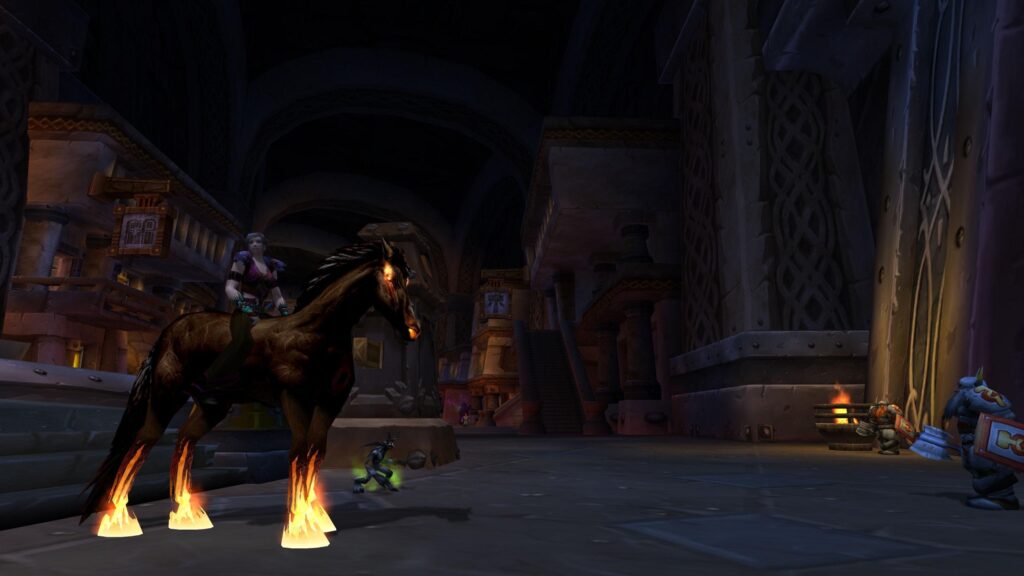
- Rarity and Exclusivity: Some raid mounts, like the Fiery Warhorse’s Reins from Karazhan or Invincible from Icecrown Citadel, drop at incredibly low rates (often below 1%), making them exceptionally rare. Owning these mounts signals dedication and sometimes years of farming.
- Skill Representation: Certain mounts, such as the Mythic Jailer’s mount (Zereth Overseer) or Abyss Worm from Heroic Kil’jaeden, are tied to difficult content, requiring players to demonstrate mastery of their class and encounters.
- Visual Appeal: Raid mounts often feature unique designs and animations not found elsewhere, such as the Ashes of Al’ar’s radiant flames or the Glacial Tidestorm’s frosty aquatic theme.
- Nostalgia: For many players, farming mounts in older raids is a way to reconnect with their favorite expansions and relive past achievements.
Let’s now explore specific examples of the best raid mounts WoW has to offer, and how you can add them to your collection.
Mount Farming Strategies
While each raid mount is unique, there are some general tips for farming raid mounts that can make your efforts more efficient and rewarding:
- Set a Schedule: Many mounts have weekly lockouts, meaning you can only attempt to farm them once per character each week. Consider using multiple alts to increase your chances.
- Bring Friends: While many older raids are soloable, bringing friends or guildmates can speed up the process and make the experience more enjoyable. Plus, having a loot agreement for raid drops can avoid conflict over who gets the mount.
- Prepare for RNG: Most raid mounts have drop rates between 1% and 5%, meaning farming could take weeks, months, or even years. Patience is key.
- Use Mount-Farming Add-ons: Add-ons like Rarity help track how many attempts you’ve made on specific mounts, giving you an overview of your progress.
Now that you’re ready to farm, here’s a deeper look at some of WoW’s most iconic raid mounts.
Iconic Raid Mounts and How to Obtain Them
Invincible (Icecrown Citadel)
- Description: The skeletal horse of Arthas Menethil, Invincible, is one of the most iconic mounts in WoW’s history. With its unique design and ties to the Lich King himself, Invincible remains a must-have for collectors.
- How to Get It: Drops from the Lich King in Icecrown Citadel on 25-player Heroic mode (Legacy).
- Drop Rate: Estimated at 1%.
- Tips: At max level, Icecrown Citadel is easily soloable for most classes. Clearing it weekly on multiple characters increases your chances.
Ashes of Al’ar (The Eye, Tempest Keep)
- Description: Few mounts rival the elegance of the fiery phoenix Ashes of Al’ar. Its radiant design makes it one of the most visually striking mounts in WoW.
- How to Get It: Drops from Kael’thas Sunstrider in The Eye (Tempest Keep) in The Burning Crusade.
- Drop Rate: Roughly 2%.
- Tips: The Eye is one of the faster raids to farm, with Kael’thas being the final boss. Ensure you understand the mechanics to avoid bugs in the fight.
Mimiron’s Head (Ulduar)
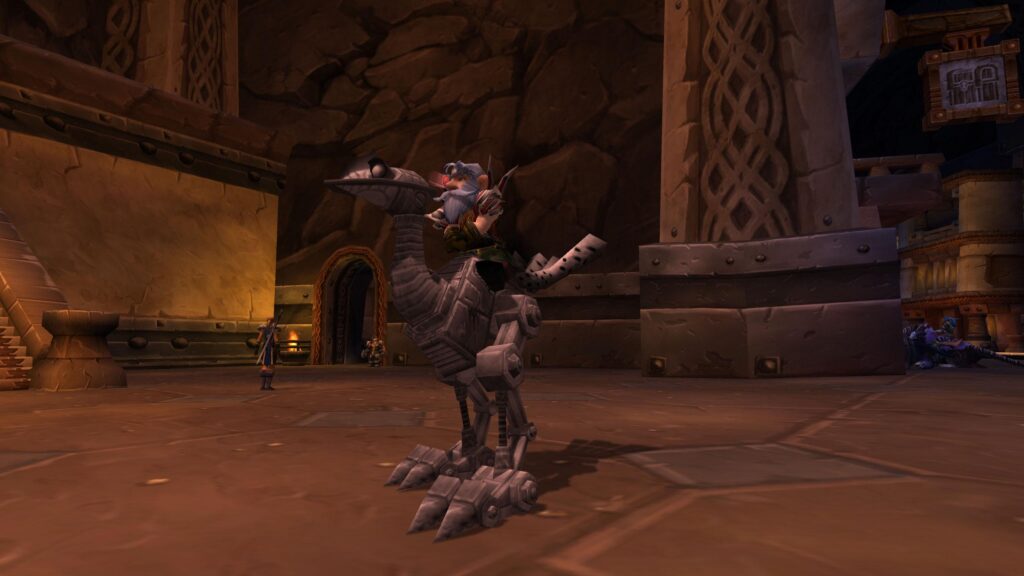
- Description: Mimiron’s Head is a mechanical masterpiece, offering players a flying mount styled after a miniature mech. It was originally exclusive to players who completed Ulduar on the highest difficulty before patch 3.2 but later became a rare drop.
- How to Get It: Drops from Yogg-Saron in Ulduar if no Keepers are active (the hardest mode, often referred to as “Yogg 0”).
- Drop Rate: Less than 1%.
- Tips: Soloing Yogg-Saron can be tricky due to sanity mechanics, so research strategies specific to your class.
Glory of the Raider Mounts
- Description: Blizzard frequently adds mounts as rewards for completing meta-achievements in raids. These mounts are tied to completing specific challenges or conditions during boss fights.
- Examples:
- Drake of the East Wind from the Cataclysm expansion (Throne of the Four Winds meta-achievement).
- Glacial Tidestorm from Eternal Palace (Ny’alotha Heroic meta-achievement).
- How to Get Them: These mounts require a coordinated raid group to complete specific achievements, often within the same tier.
The Thrill of Limited-Time Raid Mounts
Some raid mounts are only available for a limited time, making them even more valuable. Players who missed out on these mounts can only admire them from afar. Here are a few notable examples:
The Amani War Bear (Zul’Aman)
- Description: This bear was a reward for completing the timed run in Zul’Aman during The Burning Crusade. While no longer obtainable, it remains a sought-after symbol of skill from early WoW history.
Mythic-Exclusive Mounts
- Description: Many raid tiers feature a unique mount that is only available for completing the final boss on Mythic difficulty before the next expansion or patch. Examples include:
- Ny’alotha Allseer (N’Zoth, Mythic difficulty).
- Zereth Overseer (The Jailer, Mythic difficulty).
Players who obtain these mounts often do so with highly skilled raid teams, cementing their place among WoW’s elite.
Why Farming Raid Mounts Never Gets Old
For many players, mount farming is more than a means to an end—it’s a journey. Whether you’re reliving nostalgia in older raids or celebrating your latest Mythic progression mount, the process of collecting raid mounts brings a unique sense of accomplishment.
Here’s why:
- Personal Goals: Each mount is a trophy of persistence, with some requiring hundreds of attempts to acquire.
- Replayability: Revisiting old raids offers a mix of nostalgia and a sense of mastery over once-difficult content.
- Social Experiences: Mount farming with friends or guildmates fosters camaraderie and shared excitement when someone’s hard work finally pays off.
Conclusion: Building Your Mount Collection
World of Warcraft’s raid mounts remain one of the most compelling reasons to revisit raids, new and old. From the fiery brilliance of Ashes of Al’ar to the chilling grandeur of Invincible, each mount tells its own story of perseverance, teamwork, and sometimes sheer luck. Whether you’re farming weekly with an alt army or tackling Mythic content with your guild, the thrill of obtaining a raid-exclusive mount is unmatched.
So, what are you waiting for? Dust off your gear, gather your party, and start your journey toward claiming some of the most iconic mounts Azeroth has to offer. And who knows? That next mount drop could be yours!


Leave a Reply