
Introduction: Why Resource Management is Crucial for DPS in Raids
DPS in World of Warcraft isn’t just about high burst damage—it’s about sustaining that damage throughout the entire fight. Many raid encounters in The War Within will test a player’s ability to manage resources efficiently, ensuring that damage output remains consistent rather than peaking early and falling off.
Whether you’re managing mana, energy, rage, runes, or combo points, proper resource management can mean the difference between maintaining top-tier performance or running dry at critical moments. This guide will break down class-specific strategies, encounter adaptations, and role adjustments that will help you optimize DPS in The War Within‘s raids.
The Fundamentals of Sustaining DPS in Raids
Before diving into class-specific strategies, it’s essential to understand the key elements of resource management that apply to all DPS specs:
Avoiding Over-Capping Resources
Many DPS classes generate mana, energy, runes, or combo points over time, and wasting those resources due to poor timing is a major DPS loss. A well-optimized player ensures that:
- Energy-based classes (Rogues, Feral Druids, Windwalker Monks) don’t let their energy sit at full capacity.
- Rage users (Warriors, Bear Druids) are constantly dumping rage into damage abilities rather than letting it overflow.
- Runic Power & Runes (Death Knights) are always being used efficiently to avoid downtime.
Optimizing Cooldown Usage
Cooldowns should be aligned with:
- Bloodlust/Heroism
- Raid-wide damage amplifiers
- Boss phases that require high burst damage
Wasting a cooldown just before an intermission phase or movement-heavy segment leads to inefficient resource spending.
Balancing Burst vs. Sustain
Many DPS classes have high-damage burst phases but struggle with sustained output over long fights. Knowing when to hold back and when to go all-in with cooldowns can make a huge difference.
Class-Specific Resource Management Strategies
Energy-Based Classes: Rogues, Feral Druids, Windwalker Monks
Energy classes rely on a fast-regenerating resource, making proper pacing essential. The biggest mistake energy users make is over-capping their energy, which leads to wasted regen and lost DPS.
Best Practices for Energy Users:
- Use builders (e.g., Sinister Strike, Tiger Palm, Shred) before hitting max energy.
- Don’t spam finishers too early—combo points should be maximized for efficiency.
- Utilize talents that regenerate energy faster, but don’t let them go to waste.
- Plan burst windows when energy is high, ensuring optimal uptime during cooldowns.
For example, a Rogue should make sure Adrenaline Rush (Outlaw) or Shadow Dance (Subtlety) aligns with their highest-energy windows to maximize sustained pressure.
Rage-Based Classes: Warriors and Guardian Druids
Rage is a dynamic resource—generated by taking and dealing damage. Poor rage management leads to either starving or overcapping, both of which reduce effectiveness.

Best Practices for Rage Users:
- Use rage spenders as soon as possible, ensuring it never sits capped.
- Shield Block (Tanks) and Execute (DPS Warriors) should be used efficiently instead of dumping rage into suboptimal abilities.
- Plan resource-heavy cooldowns (Recklessness, Berserk) when rage generation is at its peak.
- Avoid spending rage on defensive abilities unnecessarily if the fight doesn’t demand it.
For example, Arms Warriors should avoid wasting rage on Whirlwind when they could be saving for a well-timed Execute phase.
Mana-Based Classes: Mages, Warlocks, Shadow Priests, Elemental Shamans
Mana-based DPS classes need to be careful with high-cost spells that can burn through resources too quickly. Sustained DPS requires finding a balance between high-damage casts and mana efficiency.

Best Practices for Mana Users:
- Use regen phases wisely—if a boss has downtime, take that moment to recover mana rather than overcasting.
- Cooldown stacking is essential—combining Evocation, Mana Gem, or Innervate with high-burst phases prevents resource starvation.
- Choose talents that reduce mana costs rather than just focusing on raw damage output.
For example, an Arcane Mage should be mindful of their Arcane Charges—using Evocation before running out of mana ensures continuous uptime without a complete DPS drop.
Runic Power & Rune Management: Death Knights
Death Knights have a dual-resource system with both Runes and Runic Power, requiring careful balancing. A major mistake many DKs make is focusing too much on one and ignoring the other.

Best Practices for Death Knights:
- Never let Runes sit unused—idle runes mean a direct DPS loss.
- Runic Power should be spent efficiently to ensure constant resource cycling.
- Pooling Runic Power before burst phases allows for a stronger execution phase.
For instance, a Frost Death Knight should avoid spamming Frost Strike if they have open runes that could be used for Obliterate, which generates even more Runic Power.
Combo Point Classes: Feral Druids and Rogues
Combo point users must be deliberate about how and when they spend their points. The biggest issue many players face is either sitting at full combo points too long or using finishers inefficiently.
Best Practices for Combo Point Users:
- Don’t cap combo points—use them before you waste any new ones.
- Maximize finishers—dumping 2-3 points into a finisher instead of 5-6 is a huge DPS loss over time.
- Plan cooldowns around big finishers—popping burst abilities right before a finisher will maximize their impact.
For example, a Subtlety Rogue should avoid burning Shadow Dance procs on non-optimal finishers—lining up Symbols of Death and Shadow Blades ensures higher sustained damage.
Encounter-Specific Resource Management
Beyond class-specific optimizations, each raid boss presents unique challenges that require adjustments to how players manage their resources.
Fights with Intermission Phases
Some bosses have periods where they become immune to damage, meaning DPS must time their cooldowns correctly:
- Hold big cooldowns if a phase shift is about to happen.
- Use low-cost filler abilities before a big burn window to maximize sustained damage.
High-Movement Encounters
- Avoid long-cast-time abilities if the fight requires constant repositioning.
- Energy-based classes should pool resources before a movement phase, ensuring instant attacks can be used.
- Melee DPS should hold burst cooldowns for stationary boss phases.
Mana-Intensive Fights
- Use regen abilities strategically, ensuring mana doesn’t run out before the fight ends.
- Avoid overusing AoE spells on single-target fights—mana waste leads to DPS loss.
Add-Centric Boss Encounters
- AoE classes should adjust their spell priority to maximize multi-target damage.
- Melee DPS should prepare for target switching to maintain uptime.
Advanced Resource Management: Fine-Tuning for Maximum DPS Efficiency
While the fundamentals of sustaining DPS in The War Within focus on avoiding wasted resources and optimizing cooldown usage, advanced players take their resource management a step further. The best raiders analyze rotation efficiency, fight-specific adjustments, and synergy with raid buffs to push their DPS even higher.
Understanding resource regen mechanics, global cooldown efficiency, and damage amplification timing is what separates good raiders from great ones.
Global Cooldown Efficiency and Weaving Abilities for Maximum Uptime
Every ability in World of Warcraft operates within the global cooldown (GCD) system, meaning that every second wasted between abilities results in lost DPS. High-end players ensure that every GCD is used efficiently, especially when it comes to resource-based specs.
Key Global Cooldown Strategies for Sustained DPS:
- Minimize dead space in rotations – If you’re waiting for resources to regenerate without pressing an ability, you’re losing DPS.
- Weave in filler abilities – Energy-based classes like Rogues, Monks, and Feral Druids should use instant attacks between primary ability cooldowns.
- Use low-cost abilities to fill downtime – Classes that rely on long-cooldown spells, such as Shadow Priests or Arcane Mages, should incorporate smaller spells to avoid dead GCDs.
- Anticipate cooldown resets – Some specs, such as Demonology Warlocks and Retribution Paladins, have random procs that refresh cooldowns. React quickly to avoid delays in reapplying damage.
The best DPS players ensure their character is always casting something, even if it’s just a low-cost filler ability.
Pre-Pull Resource Optimization: Maximizing Damage from the Start
One of the biggest differences between top-performing DPS players and average raiders is how they enter a fight. Many players start an encounter without pre-loading their resources, leading to lost damage in the first 10-15 seconds of a fight.
Best Pre-Pull Strategies for Each Resource Type:
- Mana Users – Start at full mana but avoid using high-cost pre-pull abilities unless necessary. Arcane Mages should pre-stack Arcane Charges, while Shadow Priests should pre-build Insanity to burst immediately.
- Energy Classes – Pool energy before the pull so that big abilities can be used instantly instead of waiting for regeneration.
- Rage & Runic Power Users – Start combat with full rage or runic power by using pre-pull generators like Charge (Warrior) or Death Strike (DK).
- Combo Point Classes – Pre-build combo points on a target dummy or pre-pull ability like Mutilate (Rogue) or Tiger’s Fury (Feral Druid).
Why Pre-Pull Optimization Matters:
- You start the fight ahead instead of waiting for resources to regenerate.
- Cooldown abilities will align better with raid-wide damage buffs like Bloodlust/Heroism.
- You maximize uptime during the crucial first 10-20 seconds of the fight, which is often where DPS matters most.
A well-prepared DPS always enters a fight with a full resource bar and an optimal rotation ready to go.
Potion and Buff Timing: How Consumables Affect Resource Management
Consumables aren’t just for stat boosts—they also play a role in managing resources efficiently. Many potions and buffs directly impact resource regeneration, making them essential for sustaining high DPS in raids.
How to Use Potions for Sustained DPS:
- DPS Potions (Potion of Ultimate Power, Unbridled Fury) should be used before major cooldowns for maximum burst impact.
- Mana Regeneration Potions (Potion of Spiritual Clarity, Leytorrent Potion) should be timed before mana depletion, ensuring no wasted regen.
- Resource Recovery Items (Warlock Healthstones, Engineering Battle Res items) can help prevent wasted GCDs on defensive abilities, keeping DPS uptime high.
Syncing Consumables with Resource Demands:
- Use DPS potions before burst phases rather than reactively mid-fight.
- Use mana potions before OOM—not when you’re already struggling.
- Use personal buffs and runes before fights to ensure your resource regen is at peak efficiency.
Movement-Heavy Encounters: How to Maintain DPS While Staying Mobile
One of the biggest DPS killers in raids is forced movement. If you have to reposition frequently, you risk losing valuable GCDs and reducing overall uptime. However, the best DPS players minimize movement penalties by optimizing their talent choices, ability prioritization, and positioning.
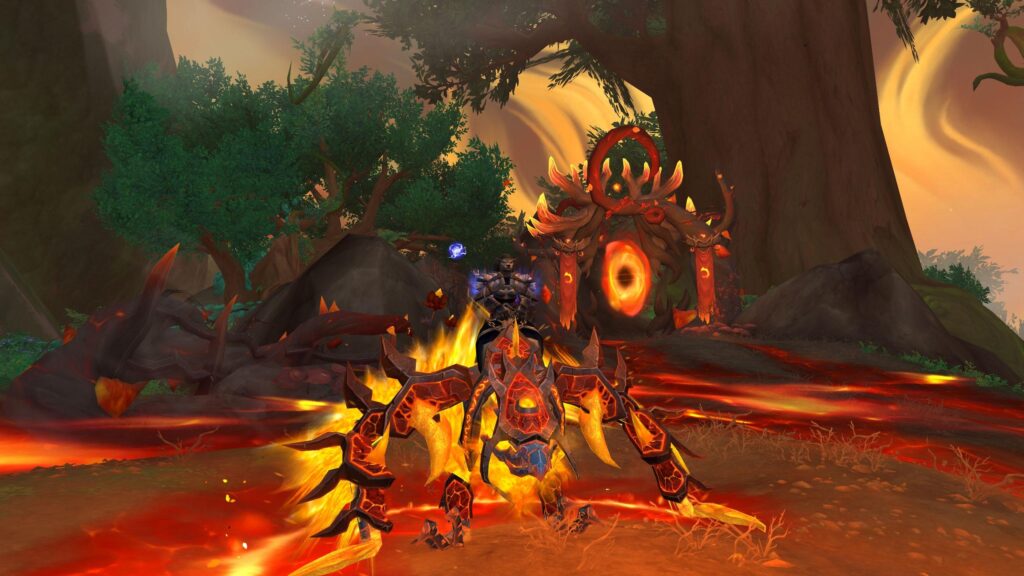
Tips for Maintaining High DPS in Movement-Heavy Fights:
- Use instant-cast abilities during movement phases instead of waiting to stop.
- Pre-position correctly before movement is required, reducing the distance needed to relocate.
- Use displacement abilities (Blink, Fel Rush, Wild Charge) to minimize downtime.
- Hold resource-heavy abilities until you can plant and cast effectively rather than using them in awkward movement windows.
For example, a Balance Druid should use instant-cast DoTs while moving instead of forcing a hardcasted Starfire mid-relocation. Similarly, Warlocks should use Demonic Circle or Burning Rush to maintain uptime while dodging mechanics.
Adapting to Raid Mechanics: DPS Role Awareness Beyond Personal Performance
A truly top-tier DPS player isn’t just focused on their own numbers—they are also aware of how their performance fits into the raid as a whole.
How Top DPS Players Adjust for Raid Mechanics:
- Help with add control – If a fight has priority adds, high-output single-target classes should shift DPS accordingly instead of tunneling the boss.
- Save cooldowns for burst phases – If a boss has a soft enrage at 30% HP, holding cooldowns for execute phases can make a huge difference in killing it before a wipe.
- Adjust target-switching priorities – Some fights require constant target switching (e.g., handling boss shields or DPSing a healer add). Reacting properly ensures optimal team performance.
Why Raid Awareness Matters for DPS Optimization:
- More uptime means more damage.
- Avoiding avoidable damage means less burden on healers.
- Strategic use of cooldowns and resources helps secure kills.
A smart DPS player isn’t just doing high numbers—they’re playing intelligently to help the entire raid succeed.
Final Thoughts: How to Master DPS Resource Management for Long-Term Success
Sustaining DPS in The War Within isn’t just about having a strong rotation—it’s about managing every aspect of your resource generation, GCD usage, movement efficiency, and raid awareness. The most effective DPS players don’t just react to the fight—they plan ahead to maximize every second of uptime.
✔ Pre-pull preparation ensures that you start every fight ahead of the curve.
✔ Global cooldown efficiency keeps DPS uptime high and minimizes wasted casts.
✔ Consumable and potion timing ensures that resources never go dry at the wrong moment.
✔ Optimizing movement reduces downtime and prevents unnecessary DPS loss.
✔ Adjusting playstyle based on raid mechanics makes you a more valuable asset to your team.
By applying these advanced resource management strategies, you can push your DPS to the next level and consistently perform at the top of the meters—not just for a single fight, but across entire raid tiers.



Leave a Reply